
To fulfill the fundamental mission of “cultivating virtue through education” and advance the educational philosophy of “integration of business and management,” the Business School has launched the “Quality Year of Academic Conduct Enhancement,” with a student-centered approach to holistic development. The School has coordinated 62 undergraduate classes across four grade levels to conduct thematic class meetings on academic integrity and learning culture, tailored to students' developmental stages. This initiative establishes a comprehensive, stage-based educational framework: consolidating foundational skills in lower grades, addressing key deficiencies in mid-level grades, and clarifying career and academic direction for senior students.
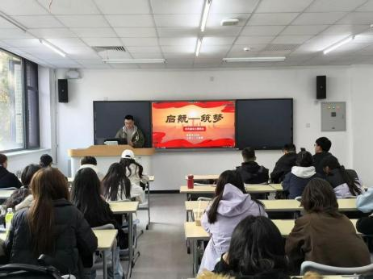
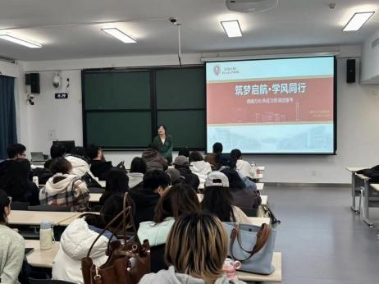
The Class of 2025 freshmen are focusing on cultivating effective study habits and academic adaptation, utilizing class meetings as a structured platform for peer exchange and academic support.
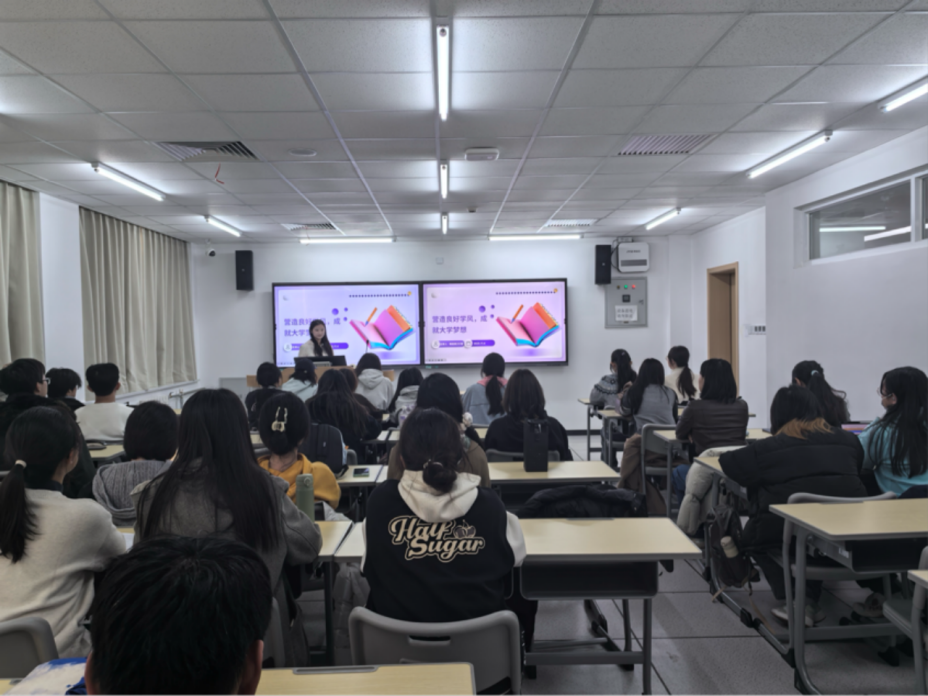
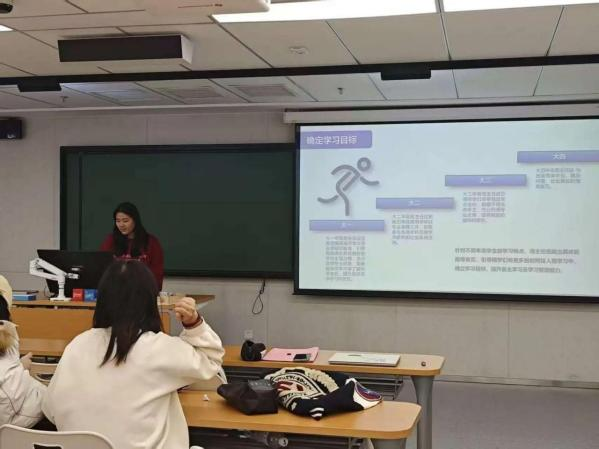
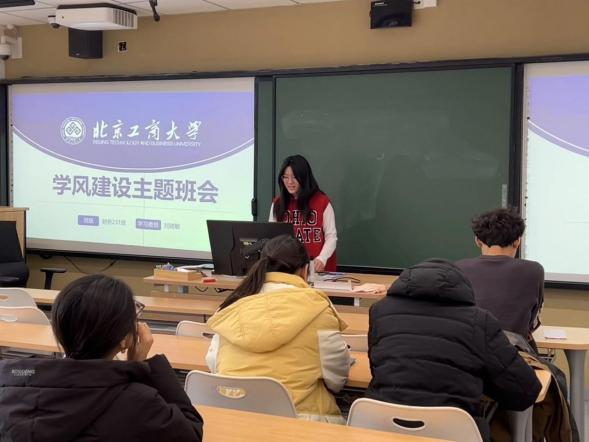
Finance Class 251 emphasizes career planning by guiding students to develop a longitudinal awareness of personal and academic growth throughout their four-year undergraduate journey, and has clearly defined phased objectives: exploration, focus, enhancement, and sprint.
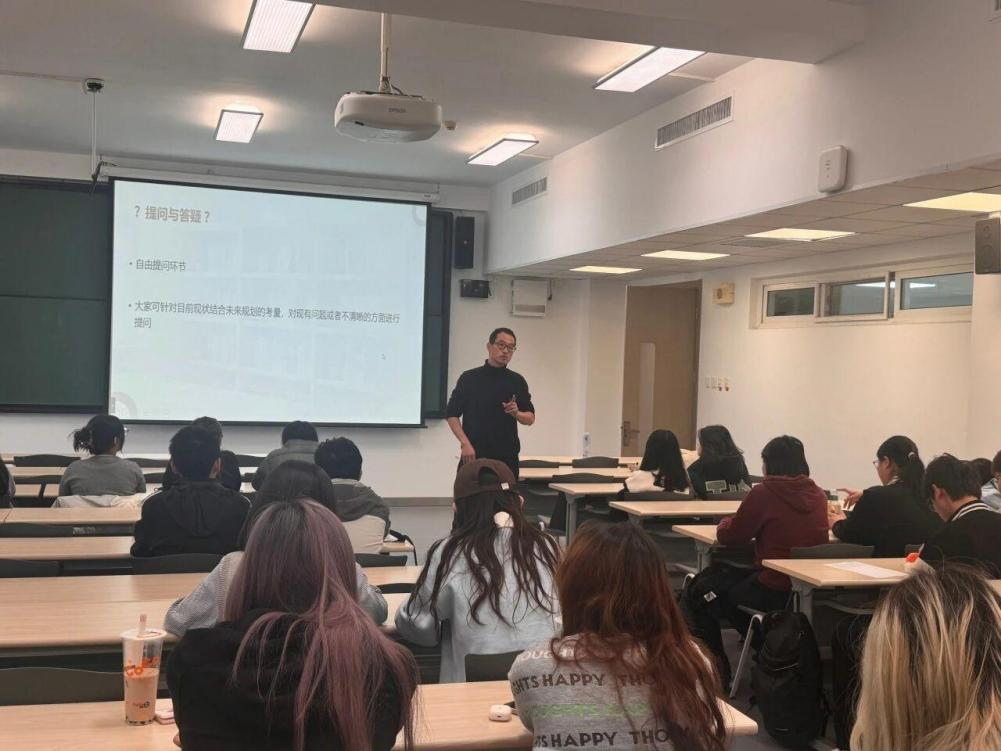
Business Administration Class 253 adopted the concept of a strategic starting point as its foundation, delivering comprehensive guidance on study habit formation, mid-term examination preparation strategies, and goal management techniques to provide freshmen with a clear roadmap for academic success. Meanwhile, other classes engaged in thematic discussions on academic integrity standards and mid-term performance reflections, facilitating peer-based knowledge sharing to help new students address challenges, clarify uncertainties, and establish well-defined academic directions. The thematic class meeting facilitated a transition among the Class of 2025 freshmen from passive adaptation to proactive academic planning. This shift has not only enhanced their intrinsic motivation for learning but also strengthened class cohesion. By establishing a solid academic foundation, this transformation supports the cultivation of a rigorous, pragmatic, and collaborative learning environment across the cohort, providing sustained support for students’future academic progress.
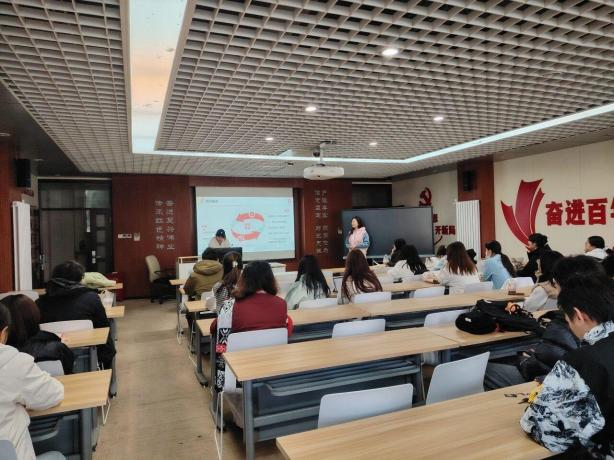
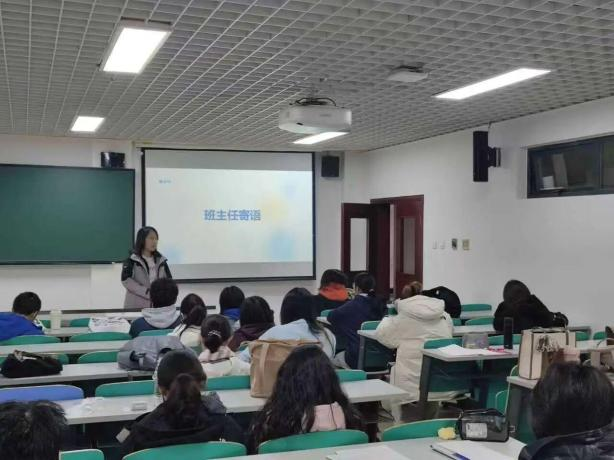
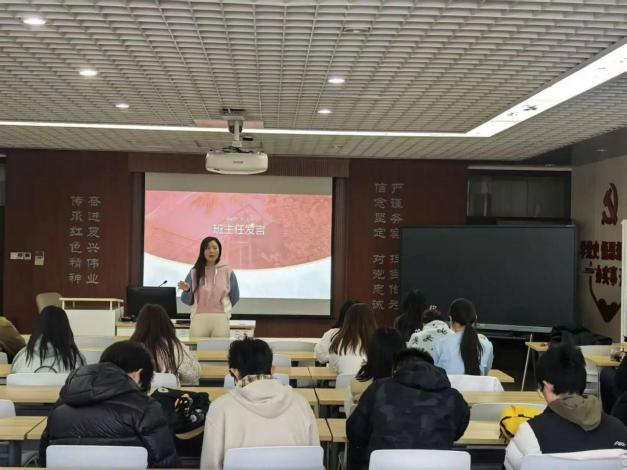
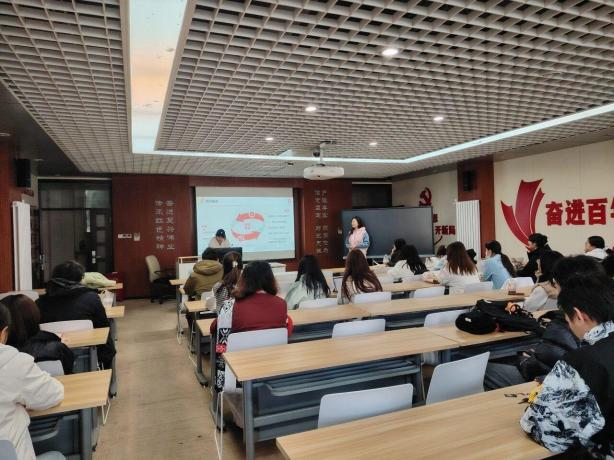
In 2024, the 16 classes adopted academic performance analysis as a strategic entry point to address challenges in learning culture through targeted interventions. Each class conducted an in-depth review of the previous academic year’s data, employing concrete analytical methods such as grade rankings and credit accumulation assessments. These analyses provided a clear depiction of each class’s current academic standing and directly identified key issues, including insufficient learning motivation and ineffective study strategies among certain students. During the class meetings, each class organized structured group discussions for peer experience exchange, established one-on-one or multi-on-one tutoring teams led by student cadres, and developed personalized academic support plans for students with foundational challenges. These initiatives enabled targeted academic assistance and measurable performance improvement, fostering a shared commitment to “mutual support and collective advancement” across all classes. Guided by the professional talent development framework, the homeroom teacher underscored the pivotal role of core courses in building essential professional competencies. Students were advised to strategically manage their time and academic efforts, engage in in-depth study of disciplinary knowledge, and proactively identify and address knowledge gaps. The discussion emphasized the long-term significance of current academic learning for future career trajectories, reinforcing a strong academic foundation necessary for cultivating high-caliber business professionals.
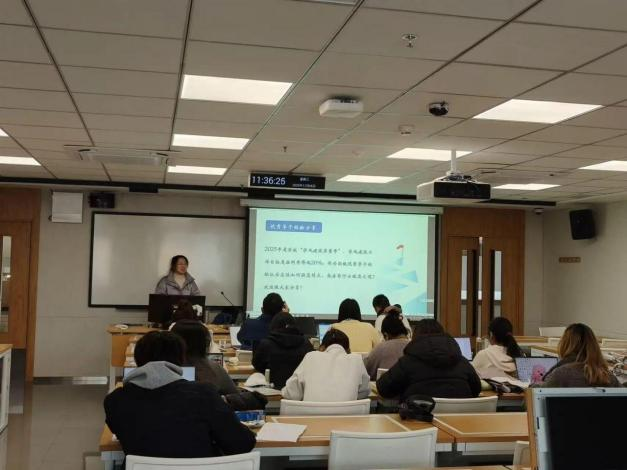
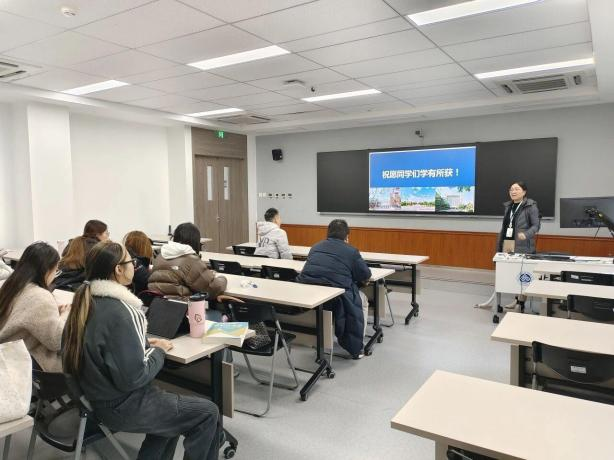
The 2023 cohort utilized the beginning of the semester as a strategic milestone to conduct a comprehensive review of academic performance from the previous term. Each class carried out in-depth analysis focusing on key indicators—including class attendance rate, average GPA, course failure rate, and the trend patterns of these metrics—enabling precise identification of core areas requiring improvement in learning culture. Building on the established strengths of student-led academic self-governance groups, each class reaffirmed its commitment to sustaining these initiatives. Targeted support measures, such as shared course note repositories and dedicated retake preparation programs, will be implemented to assist students facing academic challenges. In alignment with the academic development goals of the grade, each class has implemented targeted initiatives to improve CET-4 and CET-6 pass rates. By translating the grade-level academic climate enhancement strategies into actionable, class-specific plans, students are now better equipped to understand their individual academic standing and personalized pathways for improvement. The class meeting further strengthened consensus among junior-year students regarding collective responsibility for academic excellence, laying a solid foundation for addressing knowledge gaps, enhancing learning capabilities, and collaboratively reducing course failure rates.
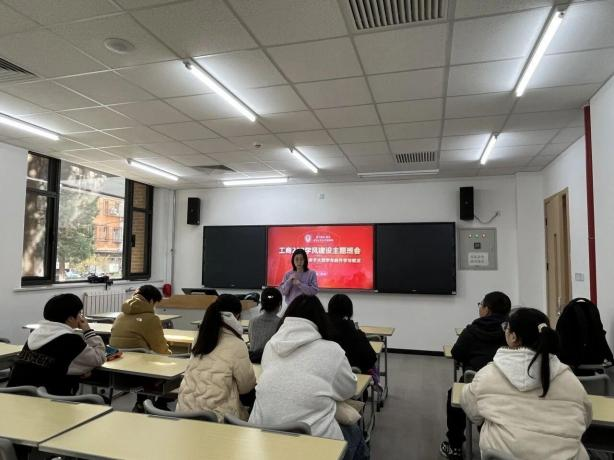
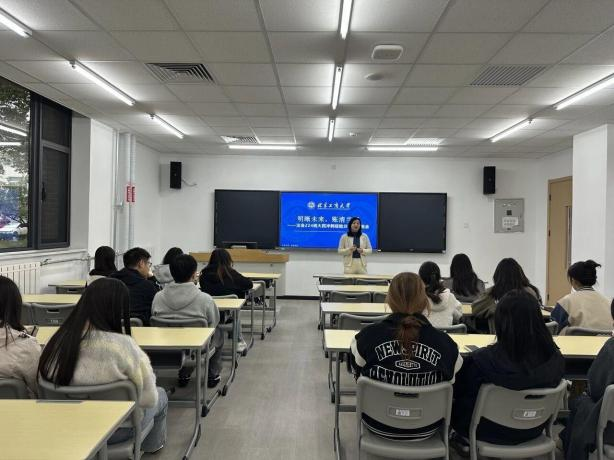
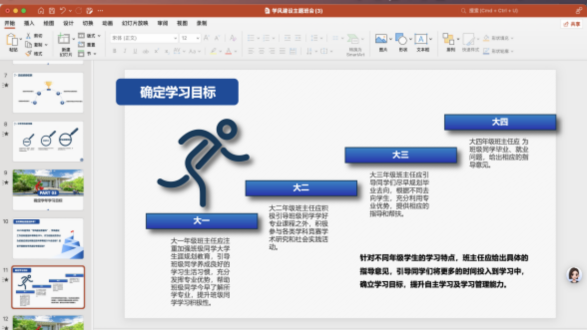
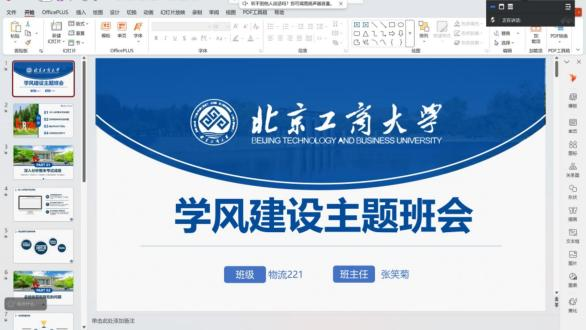
In 2022, each class convened a thematic class meeting centered on “Focusing on High-Quality Development and Clarifying Graduation Planning,” with homeroom teachers providing comprehensive guidance throughout. Aligned with the critical academic and developmental milestones of the final year, the discussions focused on core areas including postgraduate entrance exam preparation timelines, enhancement of job-seeking competencies, and career path decision-making. In response to student concerns such as low preparation efficiency and limited access to employment information, homeroom teachers offered detailed individualized feedback and shared success stories from previous graduates in both further education and career placement. Particular emphasis was placed on effective time management and maintaining a resilient mindset. The session significantly enhanced senior students’ sense of agency and urgency regarding post-graduation planning, supporting them in clarifying goals and building confidence during this pivotal phase. Moving forward, the college will continue monitoring the implementation of individual student plans and deliver targeted support services to ensure high-quality academic completion and successful realization of professional aspirations.
The academic ethos development class meeting, characterized by grade-specific priorities, class-level distinctiveness, and student-centered outcomes, has effectively addressed stage-specific academic challenges while fostering a shared commitment to academic excellence across the college. By reinforcing disciplinary foundations, stimulating academic motivation, and building collaborative learning platforms, the initiative strengthens the cultivation of business talents with robust theoretical grounding and strong practical competencies. It also contributes meaningfully to the university’s “Double First-Class” initiative and the advancement of a high-level research-oriented institution.